
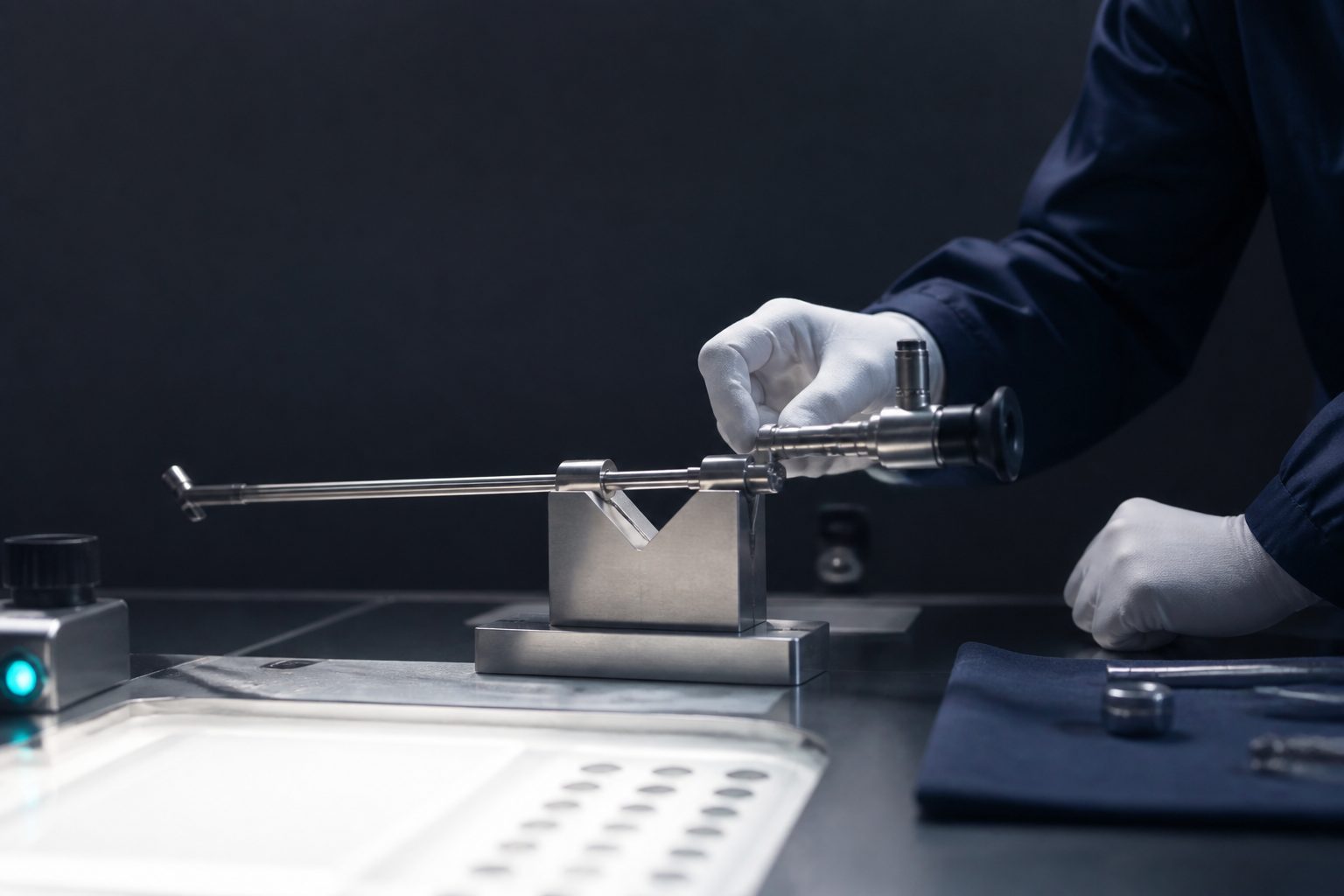
Urology
Resectoscope Repair, Working Element, and Insulation Testing
A resectoscope carries current a few millimeters from tissue nobody intends to touch, which makes insulation the part of the repair that matters most. We rebuild working elements, sheaths, beaks, and optics, and we quote the work in writing first.
- Working element rebuilds and loop track correction
- Insulation inspection across the current path
- Ceramic beak and inner sheath replacement
- Free evaluation and a written quote before work
Get a Free Repair Quote
Tell us what failed and we will send a written quote before any work begins. No charge for the evaluation, and no purchase order needed to get one.
Quote before any work
You approve a written quote before a technician touches the scope.
Free evaluation
We diagnose the failure and price the repair at no charge, even if you decline.
We come and get it
Pickup and delivery across Southern California, mail-in service everywhere else.
Independent, not the OEM
All major manufacturers serviced, without OEM exchange pricing.
By symptom
Resectoscope Service Failures We See in Urology
What gets written on the tag, and the fault behind it. On an energized device, several of these are patient safety issues rather than performance complaints.
Insulation breakdown along the current path
A pinhole or crack in the insulation gives current a path to tissue the surgeon is not looking at, and the burn happens outside the field of view. This is the failure mode that takes a resectoscope out of service immediately, and it is found by inspection and testing rather than by eye.
Working element spring and track wear
The element depends on a spring return and a straight track to bring the loop back the same distance every time. Wear, a bent contact, or a distorted track makes the travel inconsistent, so the surgeon compensates with force and the wear accelerates.
Ceramic insulator damage at the tip
The beak is the last insulator between the active loop and the metal sheath, and it takes impacts during loop changes and reprocessing. A chipped beak is not cosmetic, because the ceramic is doing electrical work at the point where the current is strongest.
Failed element or sheath seal
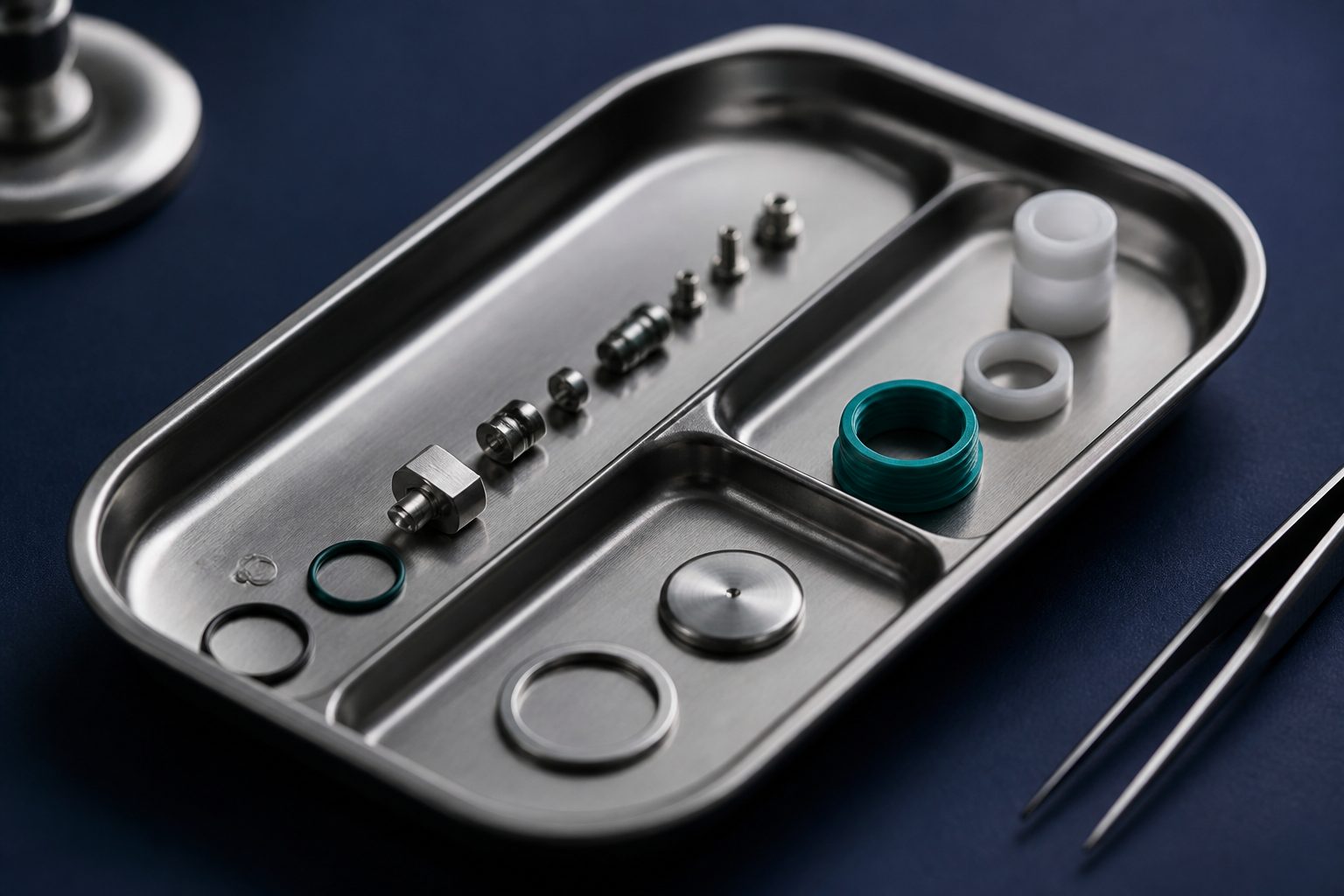
Continuous flow sets depend on seals that hold against pressure through the whole case. Once one hardens or splits, irrigation escapes onto the field and moisture starts working toward the telescope and the contacts. The seals are replaced and the fit is checked against your sheath.
Moisture inside the optical train
The telescope that rides inside the element is a rod lens device like any other, and its seals fail from steam cycling. Once moisture is on internal glass, cleaning cannot reach it and the device needs drying, internal service, and new seals.
Bent sheath or worn locking mechanism
A sheath that has been bowed, or a lock that no longer seats, leaves the element sitting a fraction out of position. That changes where the loop tracks and where the insulation contacts metal, so the fit is corrected as part of the same job.
Why Insulation Testing Matters More on a Resectoscope
Most endoscope repair is about image quality. This device is different, because it carries electrosurgical current into a fluid filled cavity with the return path running along a metal sheath the surgeon cannot see past. Everything between the active element and that sheath is insulation, and insulation is the only thing preventing current from finding tissue nobody intends to treat.
Insulation does not fail visibly. It fails as a pinhole, a hairline crack at a flex point, or a thinned area where a loop has rubbed for a few hundred cases. A defect the width of a hair concentrates current at that spot, and because the site is outside the field of view, the injury is discovered later rather than during the procedure. That is why an energized device gets checked electrically and not just looked at.
The same logic applies across every powered instrument in the set, which is why we treat this the way we treat insulation testing on laparoscopic instruments. If a resectoscope shows any unexplained tissue effect, it comes out of rotation that day, not at the end of the week.
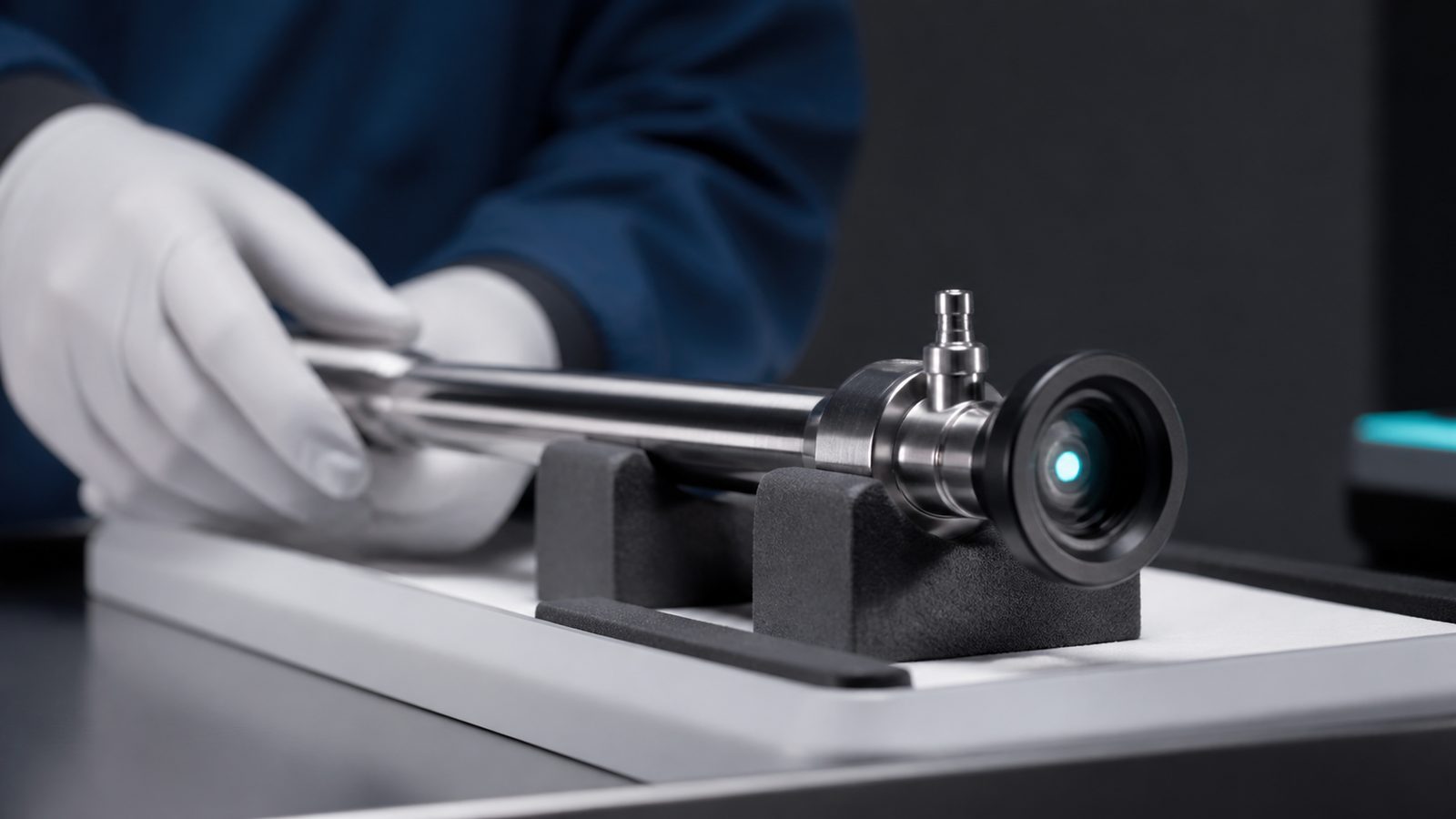
Working Element Wear and the Loop That Will Not Track
The working element is a spring loaded mechanism that has to return the loop to the same place thousands of times, hold electrical contact through every stroke, and stay square inside a sheath that is itself under load. It wears in ways the surgeon feels long before anything looks wrong. Travel gets shorter, the return goes soft, and the loop starts to sit slightly off center.
What happens next is predictable. The surgeon applies more force to get the same resection, which loads the track, the contacts, and the ceramic beak, and the wear speeds up. Departments often replace loops repeatedly in this situation, when the loops are fine and the element underneath them is not.
Rebuilding the element restores the geometry the loop was designed to run in. The bench work covers the spring, the contacts, the track, and the seals, and we check it back against the sheath you sent rather than against a reference sheath, since your fit is the one that matters. The same construction runs through Richard Wolf resectoscope sets and the Karl Storz urology range. We are an independent shop and are not affiliated with or authorized by any manufacturer.
Ceramic Beaks, Sheaths, and Resectoscope Insulation Faults
The ceramic beak at the distal end is the insulator sitting closest to the active loop, in the place where current density is highest and where the loop is most likely to touch something it should not. It also takes the most physical abuse, because it is the leading edge of the assembly during insertion and it is exposed during every loop change.
A chipped beak reads as cosmetic damage on a visual check, and it is not. Ceramic that has lost material has lost insulating distance, and a crack that runs through it gives current a shorter path to the metal sheath. Beaks are replaceable, and replacing one is a fraction of the cost of the assembly it protects.
Sheaths matter for the same reason. A bowed outer sheath changes the spacing between the active element and the return path, and a damaged inner sheath changes the flow the case depends on. We inspect the set as a unit, because on this device the fit between the parts is part of the electrical design, not just the mechanical one.
Telescope Optics Inside the Working Element Assembly
It is easy to forget that a rod lens telescope is riding inside all of this. It sees the same warm irrigation fluid, the same steam cycles, and the same rough handling as the rest of the assembly, and it fails the same way any sealed optic does. The image goes warm, then hazy, and the surgeon works around it because the resection is still possible.
Once moisture has reached internal glass, no amount of cleaning changes anything, and every additional autoclave cycle moves the device toward a full relay rebuild rather than a seal replacement. The progression matches what we describe on the fluid invasion page, and the check at assembly is the same ten second look through the eyepiece against a bright surface.
Distal window chips are worth reporting even when the picture still works, since scattered light flattens contrast in a field that is already full of bubbles and blood. That is distal lens damage, and it is repairable. Most urology departments send these sets along with their cystoscopy telescopes and nephroscope optics, and the whole rigid family is described on the rigid telescope repair overview.
How it works
How Resectoscope Service Works, From Pickup to Return
Four steps, and you approve the scope of work in writing before a single component is replaced.
Tell us what failed
Send the manufacturer, model, and what you are seeing. A photo of the damage helps but is not required.
We collect the scope
Courier pickup across Southern California, or ship the device in to our bench from anywhere in the country.
You get a written quote
We evaluate the device, document the failure, and price the repair. Nothing proceeds until you approve it.
Repaired, tested, returned
The device is repaired, leak and function tested, and returned with documentation for your records.
Questions we get
Resectoscope Repair Questions From SPD and Urology Teams
How do we know whether insulation has failed if nothing looks damaged?
Can a chipped ceramic beak wait until the next scheduled service?
We keep replacing loops. Is the element the real problem?
Should the telescope come with the working element and sheath?
Do you handle the flexible urology inventory as well?
Other Rigid Scope Repair Pages in This Section
Related rigid inventory that travels in the same trays and comes back with the same optical faults.
Get a Free Quote on Working Element and Sheath Work
Tell us the manufacturer, the size, and what the element is doing under current. We will price the repair before anyone opens the device.
Monday to Friday, 8:00 AM to 5:00 PM Pacific
Saturday and Sunday, closed
Mail-in repairs received any day
Serving Southern California with pickup and delivery, and the rest of the country by mail-in.